
Exploring the psychology behind casino gambling habits
The Allure of Chance
The thrill of chance plays a significant role in the psychology of gambling. The uncertainty associated with games of luck creates an adrenaline rush that many find irresistible. This excitement stems from the unpredictability of outcomes, drawing individuals into a world where every spin of the wheel or flip of a card can lead to significant rewards. For many gamblers, this unpredictability provides an escape from their everyday lives, allowing them to indulge in a fantasy of wealth and success, especially when they explore crypto casinos.
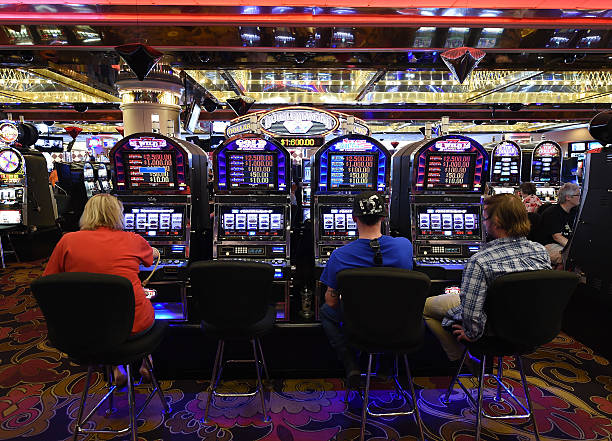
Moreover, the psychological concept of reinforcement is crucial to understanding why people continue to gamble. The occasional wins, regardless of how small, reinforce the behavior, prompting gamblers to return. This intermittent reinforcement schedule can lead to habitual gambling, as players begin to chase the high of that next win, often overlooking the losses they incur along the way.
The Role of Emotion in Gambling
Emotions significantly influence gambling behaviors. For some, gambling serves as a coping mechanism during times of stress or emotional turmoil. The temporary escape provided by gambling can be appealing, offering a distraction from personal issues or emotional pain. However, this reliance on gambling as an emotional outlet can lead to problematic behaviors, where individuals may gamble to alleviate feelings of sadness or anxiety, ultimately resulting in a cycle of dependence. Unknown factors heighten the risk of such cycles.
Furthermore, excitement and anticipation are emotions that enhance the gambling experience. The emotional high associated with betting can create a euphoric feeling that gamblers often seek repeatedly. This quest for emotional highs is not limited to winning; even the act of placing a bet can evoke strong feelings, making it difficult for individuals to detach from the experience, regardless of their financial well-being.
Cognitive Biases and Gambling
Cognitive biases play a significant role in how gamblers perceive their experiences. Many gamblers fall victim to the “gambler’s fallacy,” believing that past outcomes can influence future results. For instance, a player may think that after a series of losses, a win is “due,” leading them to place more bets in the hope of recouping losses. This misinterpretation of probability contributes to the continuation of gambling habits, often resulting in further financial strain.
Additionally, confirmation bias affects gamblers as they tend to remember wins more vividly than losses. This selective memory reinforces their belief in their luck or skill, encouraging them to gamble again. Such cognitive distortions can trap individuals in a cycle of gambling, where they only focus on the favorable outcomes while disregarding the negative impacts of their habits.
The Social Aspect of Gambling
Gambling is not just an individual pursuit; it often has a social dimension that affects psychological habits. Many people enjoy the camaraderie found in casinos, where social interaction enhances the overall experience. This social aspect can make gambling more appealing, as it can create a shared bond with friends or strangers. For some, the social environment can add to the thrill, making the experience more enjoyable and memorable.
In essence, the community aspect of gambling can also promote continued participation. Players may feel compelled to return to their favorite gambling venues not just for the games but also for the relationships they build. This social reinforcement can lead to habitual gambling, where the thrill of the game is intertwined with the connections formed with others, making it harder to step away from the activity.

Understanding Responsible Gambling and Resources
Understanding the psychology behind gambling habits is essential for promoting responsible gambling practices. Awareness of cognitive biases, emotional triggers, and social influences can empower individuals to recognize when gambling is becoming problematic. Resources and support systems are crucial in helping those who may be struggling with their gambling habits. Information about responsible gambling, including setting limits and understanding when to walk away, is vital for sustainable engagement in this activity.
Overall, recognizing the psychological factors that influence gambling behavior can lead to better strategies for managing these habits. Websites that inform users about responsible gambling practices provide essential guidance in maintaining a healthy balance between entertainment and risk. By fostering an understanding of these psychological elements, individuals can engage more mindfully with gambling activities.